
One year after the murder of Juan Antonio López
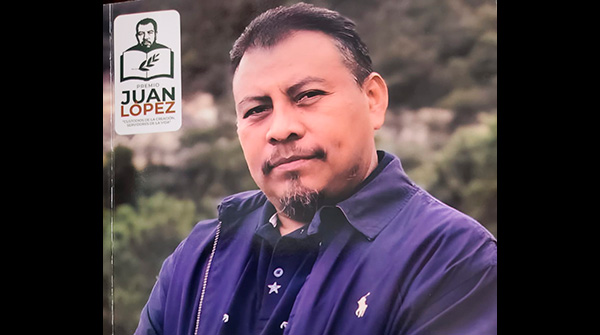
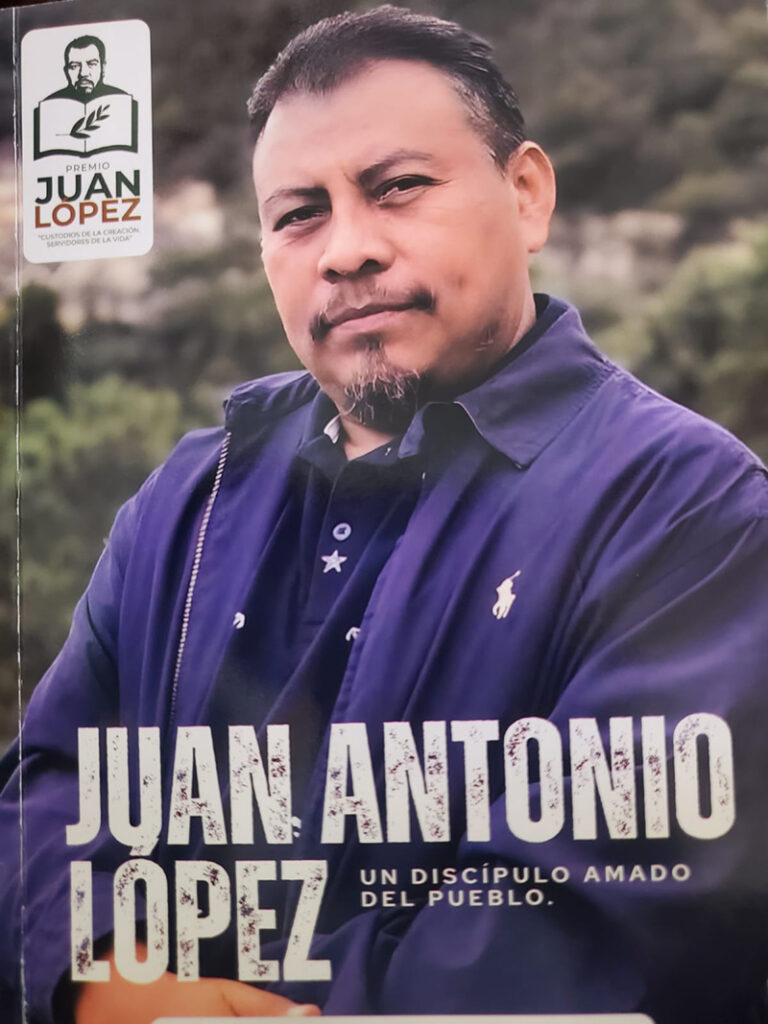
Juan Antonio López His identity was defined by his ecclesial roots and his commitment to the community. He was an active member of the Catholic Church in Tocoa, Colón (Honduras) for over 25 years and a Delegate of the Word of God for 14 years. From a young age, he embraced social and political activism as a life's calling. Even in his youth, he became involved in popular movements, combining his training as an educator with independent learning in diverse fields. Therefore, topics such as law, political economy, ecology, theology, and human rights were not foreign to him. His commitment led him to join Central American and Latin American organizations, where he cultivated a critical perspective on extractivism and the defense of the commons.
Convinced of the need for real change in society, Juan denounced in his writings the political and social degradation that limits human development and blocks the participation of young people, men, and women in public life. For Juan, politics was not a space for privilege, but for service, truth, and dignity. Therefore, he firmly repeated that “land and water are not for sale, they are to be cared for and defended,” a slogan that embodied his resistance against the interests that plunder the land. His voice, deeply moral and rooted in faith, made him a beacon of hope for many, but also a target for those who saw their economic interests threatened, especially the promoters of the Pinares/Ekotek megaproject, which Juan López and the Movement for the Defense of Common Goods opposed, considering it a project of death due to the environmental damage it inflicts on the communities of the Lower Aguán region in Tocoa, Colón, in northern Honduras.
One year after his murder, the case of Juan Antonio López has reached a critical stage: three alleged perpetrators have been identified and are facing a public trial. However, those responsible for ordering the crime remain at large, a situation that human rights organizations consider a serious obstacle to achieving full justice. The process has been marred by repeated delays, to the point that the preliminary hearing has been suspended at least five times due to deficiencies in the prosecution's case, particularly regarding the presentation of technical evidence.
Throughout this process, the voices of the Church have been crucial, supporting the demand for justice. Jesuit priest Ismael Moreno (Father Melo), along with the Bishop of the Diocese of Trujillo, Bishop Henry Ruiz, have publicly denounced the delays and the lack of concrete answers. After a meeting with the Attorney General in August, almost a year after Juan's murder, Father Melo stated that there is no satisfaction with the results of the investigation until the masterminds behind the crime are identified and prosecuted. These words reflect the frustration of a society that, together with the peasant movement, environmental groups, and human rights organizations, demands a transparent and fair process from the Honduran State, one that truly honors Juan's legacy and the government's commitment to environmental defenders.
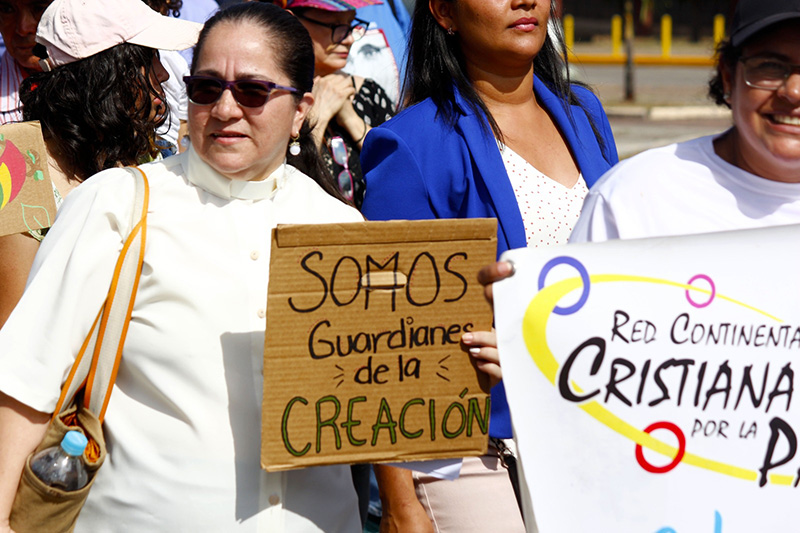
Commemoration in Tegucigalpa
One year after his murder, hundreds of parishioners gathered in Tegucigalpa to walk to the Basilica of Suyapa, the country's main church. Coming from various regions, they united in prayer and in memory of Juan, celebrating the Easter of his resurrection with a single cry: "Justice for Juan López." The walk was convened and organized by the National Commission for Integral Ecology, which emphasized that Juan's death was not an isolated incident, but rather the consequence of a system that imposes projects without consultation, criminalizes the defense of the land, and perpetuates impunity for violence against those who protect the commons.
One year after his passing, Juan Antonio López remains a symbol of resistance and hope. His voice, now echoed in many communities, reminds us that the defense of the commons does not end with the life of one man, but flourishes in collective memory and in the demand for a just and hopeful future for new generations; among them, the voices of Claudia and Julia, Juan's daughters, who, along with Thelma, his wife, joined the march and celebrations, reminding us that Juan lives on and multiplies in those of us who demand justice and are committed to defending our common home.
Miguel Alonzo Macías
Professor-researcher. Department of Sociology, UNAH. Honduras. Member of the CLACSO Working Group “Ruralities and political transitions in Central America and Colombia”
Photos courtesy of César A. Fuentes
If you would like to receive more information about CLACSO's training programs:
[widget id=”custom_html-57″]
to our email lists.

