
Solidarity with the popular social movement of Panama
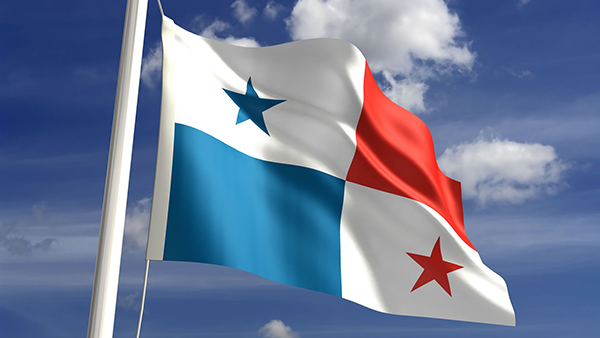
Statement from the Steering Committee and the Panamanian Centers of the CLACSO Network
Following the U.S. invasion of Panama, a neoliberal democratic government was installed, which promoted the transfer of public resources to the private sector. This generated indicators that described economic growth without social development. The growth rates shown by the Panamanian economy were accompanied by increased inequality and exclusion. The social effects of the measures adopted to address the COVID-19 health emergency contributed to deepening these processes. Unemployment and informality increased, and more than 200 suspended employment contracts have not been reactivated. Meanwhile, President Laurentino Cortizo's administration channeled public resources to protect the banking and logistics sectors. Added to this was the wastefulness of high-ranking officials and rampant corruption, while austerity measures were implemented to contain public spending aimed at protecting vulnerable sectors.
The above was the final straw, leading to social movements across the country taking to the streets in the last three weeks. In the far west, the Indigenous movement has emerged as the main actor, while in the central region, farmers and teachers' unions occupied the city of Santiago for several days. In the capital and the western region, unions, associations, and farmers have joined the struggle. The demands of the teachers' social movement are:
- Freezing the price of basic food items.
- The reduction of drug prices and the supply of supplies in public hospitals and the Social Security Fund where the working class and the poorest people go.
- The freezing of fuel prices.
- The increase in the national budget allocated to education.
- The establishment of maximum profits for importers and intermediaries.
- Elimination of perks received by high-ranking public officials.
- Elimination of corruption in the three branches of government.
In response to these demands, the government has resorted to repression, criminalizing social protest and, with the support of the mainstream media, launching a campaign to discredit the popular struggle. Furthermore, it has proposed implementing insufficient and counterproductive measures that could exacerbate social unrest.
After several days of blockades and clashes, a dialogue began between the Executive branch and the unified leadership of the popular movement, with the Catholic Church acting as facilitator. However, the government resisted presenting real solutions to the population's problems and failing to address the oligopolistic structure that controls the import and distribution of food, fuel, and medicine, as well as the rampant tax evasion that ultimately represents the root causes of the problem.
The Panamanian centers of the CLACSO network stand in solidarity with the popular social movement and its struggle to build a more egalitarian, democratic, inclusive, diverse, and people-centered society. At the same time, they denounce the government's tactics at the dialogue table, which seek to divide popular expression, and the pressures exerted by the financial oligarchy, who have already announced they will not accept any agreements that might emerge from this dialogue. They demand an end to the repression and human rights violations against Indigenous peoples. They also call for unity among progressive forces as the only means for social transformation.
Panamanian Centers of the CLACSO Network
CLACSO Steering Committee
Panama, July 25, 2022
If you would like to receive more information about CLACSO's training programs:
[widget id=”custom_html-57″]
to our email lists.

