
Thinking about work in Latin America and the Caribbean in times of transformation
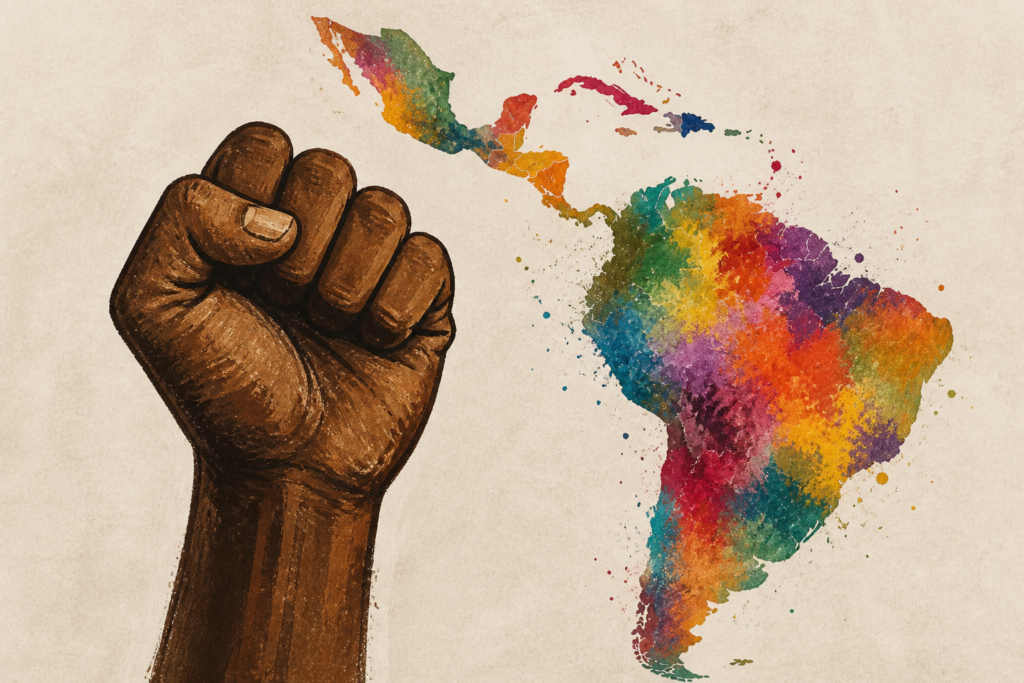
In the framework of the International Workers' DayThe Latin American Council of Social Sciences (CLACSO) reaffirms the importance of producing critical knowledge about the transformations of work in Latin America and the Caribbean, in a global context marked by profound productive, technological and social reconfigurations.
Contemporary dynamics of capitalism, the expansion of digital platforms, the incorporation of artificial intelligence into production processes, increasing precarity, and persistent structural inequalities pose new challenges to social justice, the expansion of rights, and the sustainability of life.
In this scenario, work continues to be a central dimension for understanding the living conditions of our societies and projecting horizons of greater equality.
CLACSO, through its Working Groups, its publications, and its training programs, has been developing a sustained agenda of research, exchange, and knowledge production around these issues. Among the groups addressing these questions are those focused on: Labor and Production Models; Digital Labor, Platforms, and Artificial Intelligence; Labor, Production Configurations, Services, and Labor Actors; Labor in Contemporary Capitalism; Agricultural Labor, Inequalities, and Ruralities; Crisis and the World Economy; What Work for What Future?; and Economic and Political Transformations in the Face of the New International Division of Labor.
These areas bring together researchers from across the region who analyze the changes in the world of work from interdisciplinary perspectives, with the aim of contributing to the design of public policies and collective strategies aimed at guaranteeing decent working conditions and strengthening labor rights.
Various training proposals also address these dimensions of social life, such as the courses, seminars and training pathways promoted by CLACSO, aimed at analyzing the transformations of the world of work from a critical and Latin American perspective.
Likewise, CLACSO's editorial output constitutes a fundamental contribution to understanding these processes.
The Latin American and Caribbean Social Sciences Bookstore currently brings together dozens of publications dedicated to the study of work in its multiple dimensions, addressing everything from the transformations of employment in contexts of digitalization to inequalities in the rural sphere, popular economies and changes in the organization of work on a global scale.
In a context of accelerated change, the construction of critical and transformative knowledge is key to interpreting the tensions of the present and contributing to the development of alternatives that put life, care and social justice at the center.
On this May 1st, CLACSO recognizes the importance of work as a structuring axis of our societies and reaffirms its commitment to the production of knowledge that contributes to more just, egalitarian and democratic societies in Latin America and the Caribbean.

