
UNINORTE-CLACSO Summer School

Social Transformation: Agendas and Challenges for Latin America and the Caribbean
Barranquilla, Colombia | July 14-16, 2026
The Latin American Council of Social Sciences (CLACSO) and the Division of Humanities, Arts and Social Sciences of the University of the North (DHCS / UNINORTE) invite researchers, teachers, postgraduate students, activists and professionals linked to social or public policy organizations in Latin America and the Caribbean to apply to participate in the UNINORTE-CLACSO Intensive Summer School “Social Transformation: Agendas and Challenges for Latin America and the Caribbean”, which will be held from July 14 to 16, 2026 in Barranquilla, Colombia.
Up to 35 scholarships will be awarded to students from Latin America and the Caribbean.
ORGANIZING INSTITUTIONS
- University of the North (UNINORTE, Colombia)
- Latin American Council of Social Sciences (CLACSO)
ACADEMIC COMMITTEE
- Nancy Gómez Arrieta (Dean of the Division of Humanities, Arts and Social Sciences at the University of the North, Colombia)
- Pablo Vommaro (Executive Director of CLACSO, Argentina)
- Gloria Amézquita (Academic Director of CLACSO, Argentina)
- Alejandro Gambina (Director of Training and Postgraduate Network of CLACSO, Argentina)
- Eliana Sanandres Campis (Director of the Department of History and Social Sciences at the University of the North, Colombia)
- Alejandro Camargo Alvarado (Director of the Institute of Latin American and Caribbean Studies at the University of the North, Colombia)
- Roberto González Arana (Professor in the Department of History and Social Sciences at the University of the North, Colombia)
- María Cecilia Reyes (Professor in the Department of Social Communication at the University of the North, Colombia)
- Pedro Pablo Serna (Professor in the Department of Humanities and Philosophy at the University of the North, Colombia)
- Jorge Palacio (Professor in the Department of Psychology at the University of the North, Colombia)
- Javier Suárez (Director of the Department of Humanities and Philosophy at the University of the North, Colombia)
- José Mola (Coordinator of the Master's Program in Economics attached to the Department of Economics of the University of the North)
- José Luis Ramos (Coordinator of Research and Postgraduate Studies of the Division of Humanities, Arts and Social Sciences of the University of the North)
- Camilo Puche (Director of the Music Department at the University of the North, Colombia)
PROFESSORS
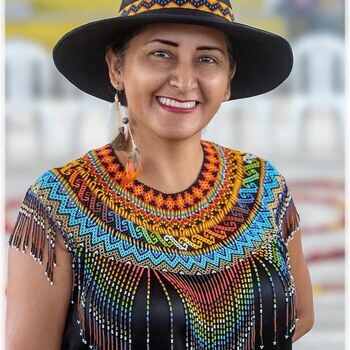
(Faculty of Education and Pedagogy of the University of Valle, Colombia / Member of the CLACSO Working Group on Territorialities, Spiritualities and Bodies)
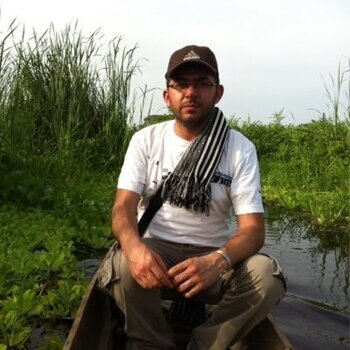
(Department of History and Social Sciences of the University of the North, Colombia)
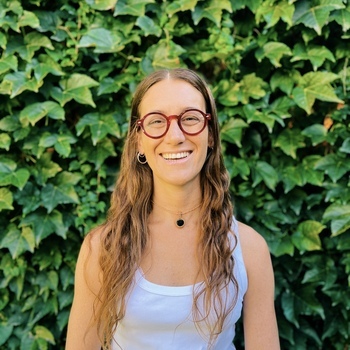
(National University of Rafaela, Argentina)
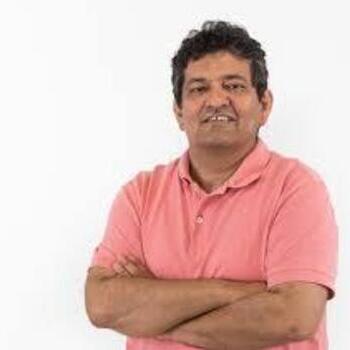
(Department of Social Communication, University of the North)
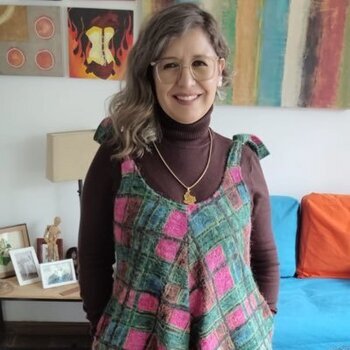
(Minuto de Dios University Corporation-UNIMINUTO, Colombia / Co-coordinator of the CLACSO Working Group on Art and Politics)
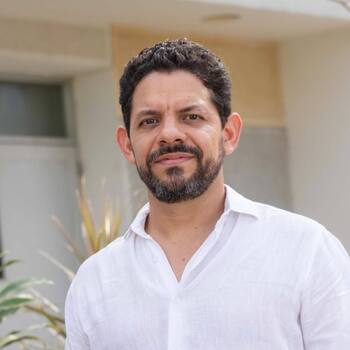
(Department of Music, University of the North, Colombia)
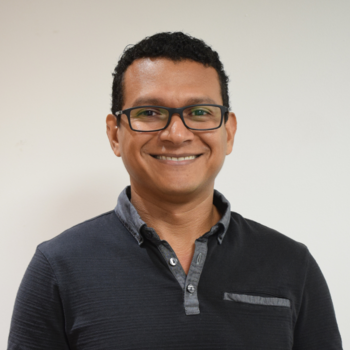
(Department of Economics, University of the North, Colombia)
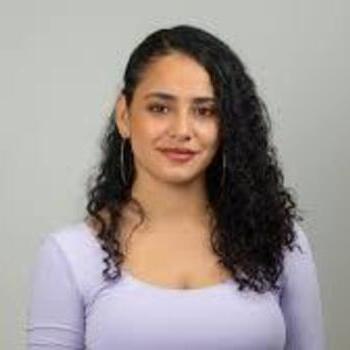
(Department of Social Communication of the University of the North, Colombia)
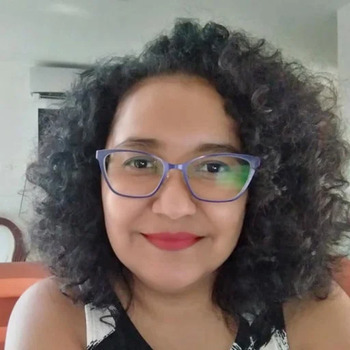
(Department of Humanities and Philosophy of the University of the North, Colombia)
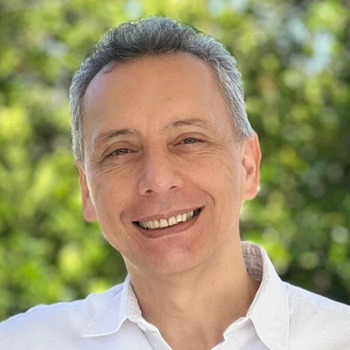
(Department of Psychology, University of the North, Colombia)
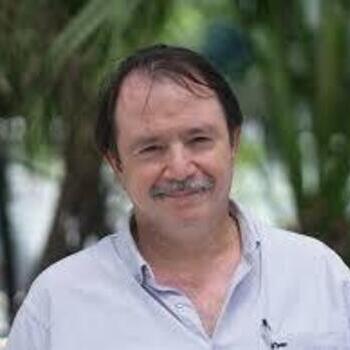
(Department of Humanities and Philosophy of the University of the North, Colombia)
RESULTS
We thank all researchers, teachers, postgraduate students, activists and professionals linked to social or public policy organizations in Latin America and the Caribbean for the positive response to this call.
We received 271 applications that were evaluated by members of the academic committee and the organizing committee. This entire team was responsible for considering the quality, relevance, and coherence of the applications in accordance with the terms of the call for applications.
Based on the above, a total of 35 participants were selected:
| Name | Last Name | Country of residence |
| Abdiel | Rodríguez Reyes | Panama |
| Ana Sofia | Rivera | Argentina |
| Andrea | Retana Lamb | Costa Rica |
| Aty Seynekun | Zalabata Robles | Colombia |
| Beatriz | Muñoz Veira | Colombia |
| Carlos Alfonso | Torrado Lois | Uruguay |
| César Eduardo | Osorio Sanchez | Colombia |
| Diogenes Rafael | Diaz Campos | Venezuela |
| Felipe | sepulveda | Colombia |
| Giovana | Galvao | Brazil |
| Gregory | Sánchez Cortés | Mexico |
| Guilherme | Leutwiler | Brazil |
| Humberto Andrés | Aviles Garrido | Chile |
| George David | Tamara Name | Colombia |
| Karina | Castro Pomares | Colombia |
| Karla | Nai Preciado | Mexico |
| Katherine | Villa Guerrero | Colombia |
| Laura | Utrera | Argentina |
| Maria Clareth | Calderón Monge | Costa Rica |
| Maria Teresa | Galarza Neira | Ecuador |
| mayre | Rivero | Colombia |
| Merby Elizabeth | Gonzalez Campos | Peru |
| Mermis Daniel | Fernandez Montiel | Colombia |
| Penelope | Brito | Dominican Republic |
| Robinson | Guerrero | Dominican Republic |
| Ruth Elizabeth | Huarancca Lindo | Peru |
| Stefania | Count Irigaray | Uruguay |
| Stephany | Hernández Mahecha | Colombia |
| Tatiana | Bird Pine | Colombia |
| Valentina | Salazar Celis | Colombia |
| Victor | Ramirez | Paraguay |
| Waleska | Abah-Sahada Lues | Chile |
| Yeison Andrés | Achicanoy Cane | Colombia |
| Yofri | Boats | Colombia |
| Yojan | Gutiérrez Rojas | Colombia |
This ruling is final and irrevocable.
The Division of Humanities, Arts, and Social Sciences at Universidad del Norte and the Latin American Council of Social Sciences (CLACSO) are pleased to present the 2026 Summer Intensive School, a joint initiative that seeks to strengthen academic ties in Latin America and the Caribbean, consolidate networks of critical thinking, and contribute to the development of future agendas. The 2026 edition, entitled “Social Transformation: Agendas and Challenges for Latin America and the Caribbean,” comprises four interdisciplinary seminar-workshops focused on current debates in epistemic justice, migration, creative research, and violence and inequality.
Objective
To create an intensive space for training, critical reflection and collaborative production that addresses the social, economic, political, epistemic and environmental challenges that mark the Latin American horizon.
Specific objectives
- To promote a critical dialogue of knowledge that questions epistemic exclusion and recognizes the political and cultural strength of ancestral knowledge in Latin America and the Caribbean.
- To reflect on the challenges of migratory integration in Latin America and the Caribbean and its inequalities in order to contribute perspectives and proposals from the social sciences.
- Exploring research-creation as a methodological and political strategy to understand and engage with the social and cultural crises of Latin America and the Caribbean.
- To analyze how social and environmental inequalities are produced and reproduced in the region, reflecting on socio-environmental conflicts and the mobilization strategies of communities in defense of their territories and ways of life.
The school will be conducted using a seminar-workshop methodology, combining lectures, group discussions, and participatory activities. This approach will allow participants to engage in dialogue, analysis, and critical reflection on four thematic areas: epistemic justice, migration, research-creation, and social and environmental inequalities.
Epistemic justice
This seminar-workshop invites participants to explore epistemic justice as a tool for recognizing and valuing traditionally undervalued knowledge, including ancestral knowledge. It will critically analyze the mechanisms of exclusion of this knowledge and its relationship to cultural, social, economic, and political power structures, fostering an open dialogue of knowledge and reflecting on its impact on decision-making and the construction of justice in the region.
Migrations: Processes of social and spatial integration
Latin America is experiencing one of the most significant migration processes in its history, marked especially by the Venezuelan diaspora and the massive influx of migrants to countries like Colombia. This seminar-workshop proposes a critical analysis of the challenges of regional migration integration, addressing structural inequalities, reception policies, and the rights of migrants, from a social science perspective that prioritizes critical thinking and a Global South approach.
Research - Creation for social change
This seminar-workshop explores creative research as a methodological, political, and aesthetic strategy for Latin America and the Caribbean. Drawing on the tradition of action research, it validates oral and performative knowledge, addressing issues such as inequality, violence, and migration. Participants will engage in dialogue and collective experimentation, generating reflections and proposals that connect creativity with social transformation, from a critical and situated perspective.
Violence and inequalities
This seminar-workshop offers a space for analysis and collective discussion on the challenges of socioeconomic and socio-environmental inequalities in the region. It will explore the main conflicts and strategies for mobilizing communities in defense of their territories, ecosystems, and ways of life. The session will combine lectures, group discussion, and a field trip, allowing participants to examine firsthand cases of social and environmental injustice.
- Adriana Anacona (Faculty of Education and Pedagogy of the University of Valle, Colombia / Member of the CLACSO Working Group on Territorialities, Spiritualities and Bodies)
- Alejandro Camargo Alvarado (Department of History and Social Sciences of the University of the North, Colombia)
- Andrea Forero Hurtado (Minuto de Dios University Corporation-UNIMINUTO, Colombia / Co-coordinator of the CLACSO Working Group on Art and Politics)
- Camilo Puche Perneth (Department of Music, University of the North, Colombia)
- Denise Zenklusen (National University of Rafaela, Argentina)
- Jair Vega Casanova (Department of Social Communication, University of the North)
- Jorge Palacio (Department of Psychology, University of the North, Colombia)
- José Mola Ávila (Department of Economics, University of the North, Colombia)
- María Cecilia Reyes Redondo (Department of Social Communication of the University of the North, Colombia)
- Mercedes Ortega González Rubio (Department of Humanities and Philosophy of the University of the North, Colombia)
- Pedro Pablo Serna (Department of Humanities and Philosophy of the University of the North, Colombia)
The School is aimed at individuals interested in exploring social issues from a critical perspective, including researchers, university professors, and graduate students, as well as activists, social leaders, and professionals linked to community and social organizations in Latin America and the Caribbean. This space seeks to bring together those who wish to engage in dialogue, reflect upon, and generate new perspectives on the region's social, cultural, and environmental challenges.
A certificate of participation will be given to all participants who attend and actively contribute to the activities proposed during the summer school.
The School will be taught in person and requires full-time dedication. It is aimed at researchers, teachers, graduate students, activists, and professionals linked to social organizations or to the formulation and implementation of public policies in Latin America and the Caribbean.
Participation in the school will be through a scholarship system, guaranteeing free tuition for selected participants . Selection includes both participation in the school and accreditation . The organizing institutions will not cover air or ground transportation, lodging, or food expenses.
The committee members will select the participants. The evaluation will consider academic criteria, geographic origin, disciplinary background, and the connection between academia and social movements, ensuring a pluralistic and enriching space for the exchange of knowledge and experiences. The decision will be final and cannot be appealed.
A total of 35 participants will be selected : 20 international participants and 15 Colombian residents or nationals.
The result will be announced on the CLACSO website.
Those interested should register on the CLACSO website. To do so, they must complete the following requirements:
- Online form with personal data
- Curriculum vitae or summary resume
- Letter of intent
- Letter of support for representatives of civil society organizations and public policy officials (optional requirement)
New date: Applications open until April 23, 2026
Publication of results: May 11, 2026
Inquiries: [mail protected]

